
Photosynthesis is the process plants use to make their own food. This plant vine is a good example to represent photosynthesis. It makes its own food.
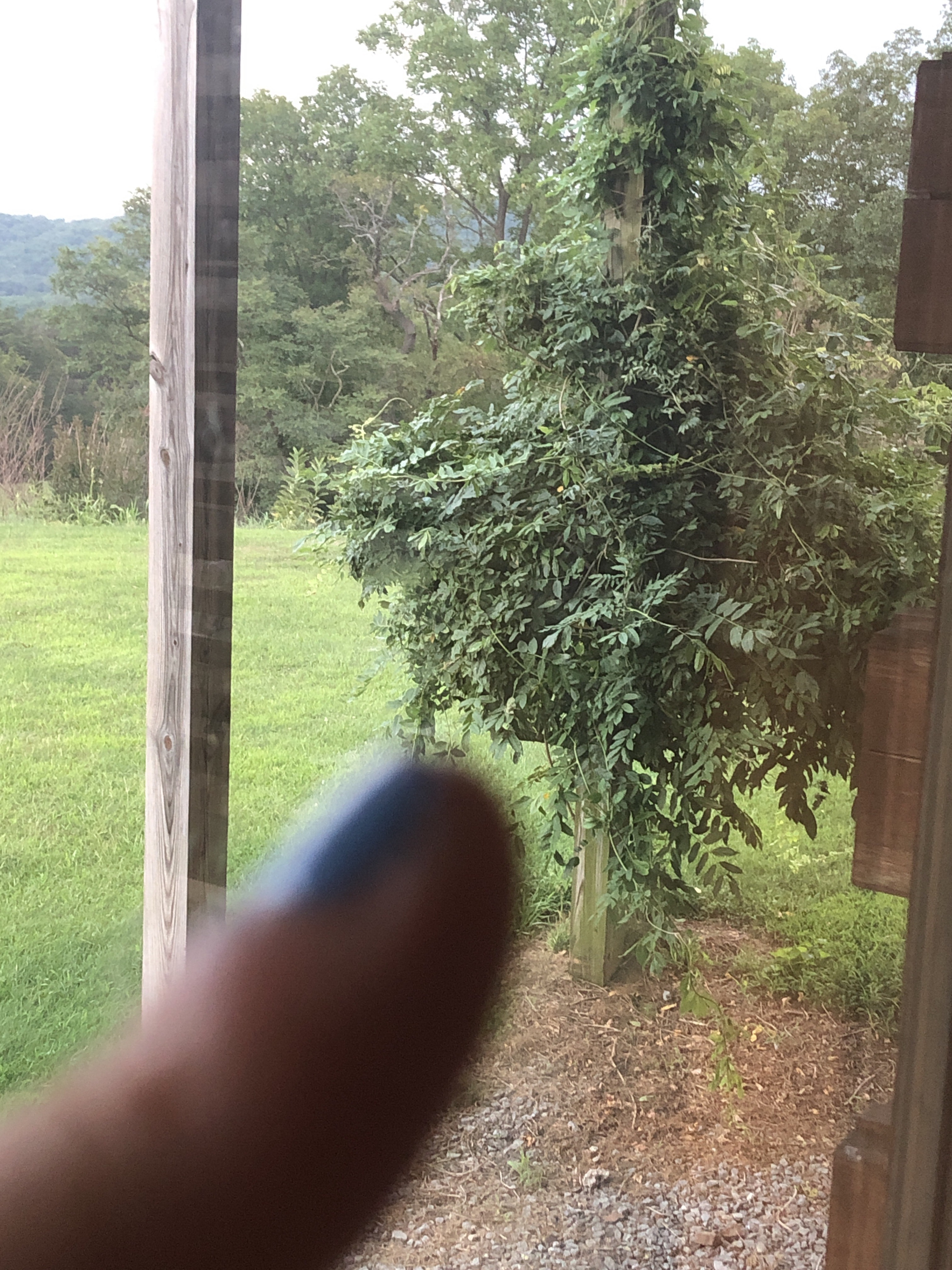
Photosynthesis is the process plants use to make their own food. This plant vine is a good example to represent photosynthesis. It makes its own food.
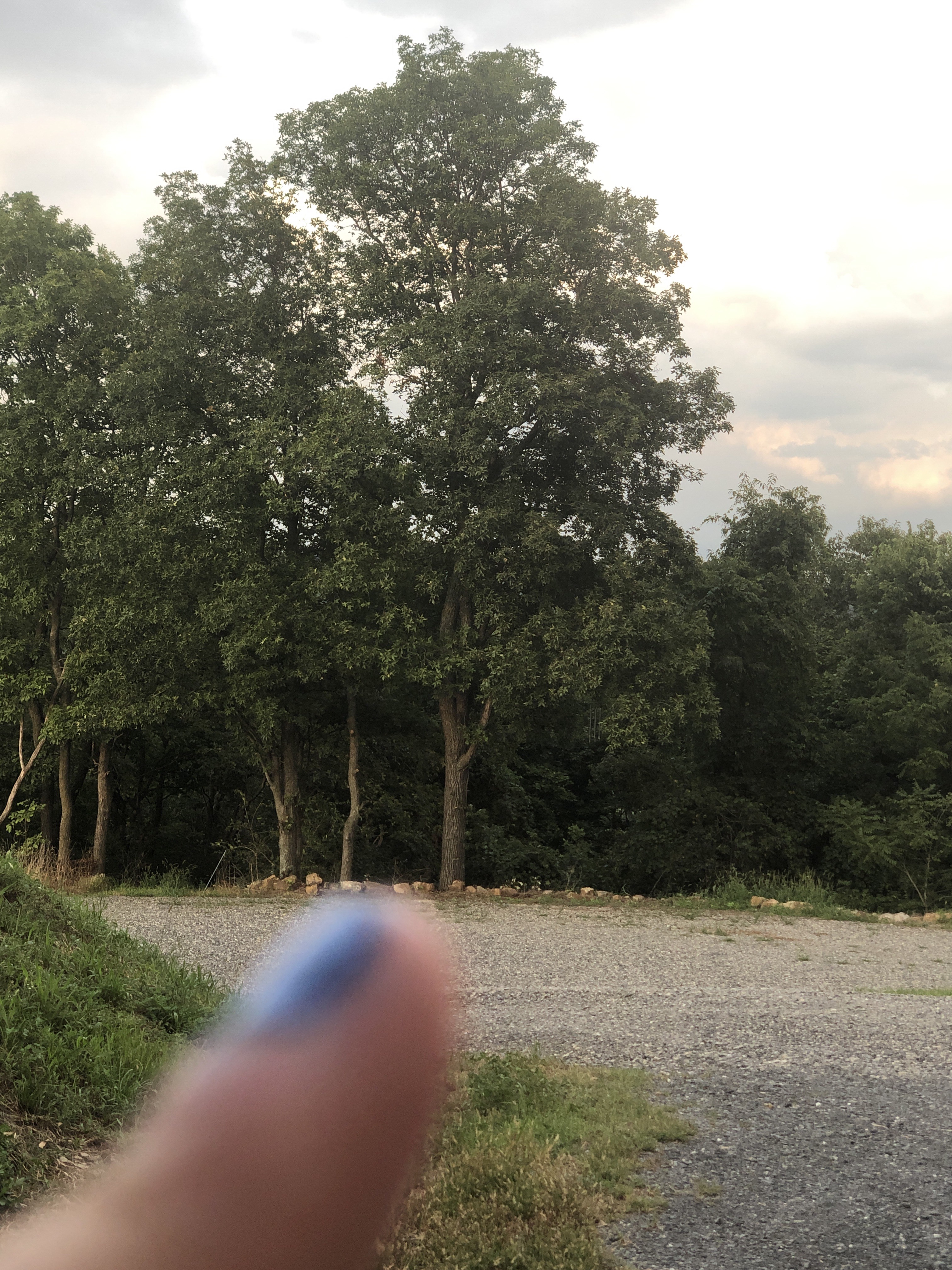
The adaptation of something is when something adjusts to certain living conditions or a certain climate. Such as a certain temperature and amount of rainfall. The trees here in Pa have adapted to the amount of rainfall, the climate, the temperatures.
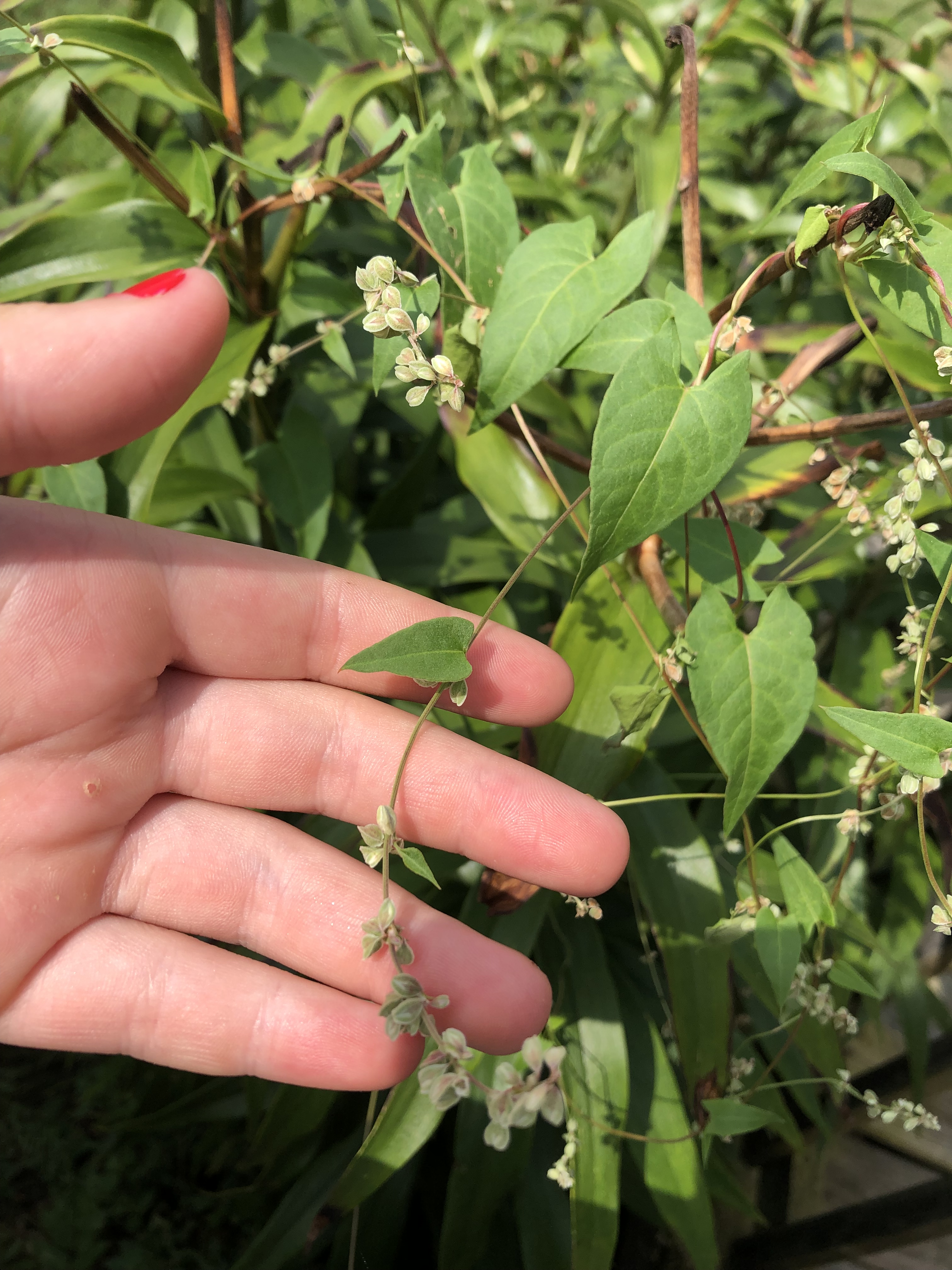
Enzymes act as a catalyst, speeding up biochemical reactions. Enzymes can be found in the cytoplasm and mitochondria. This plant contains enzymes, all plants and animals have enzymes to break down fats and proteins.
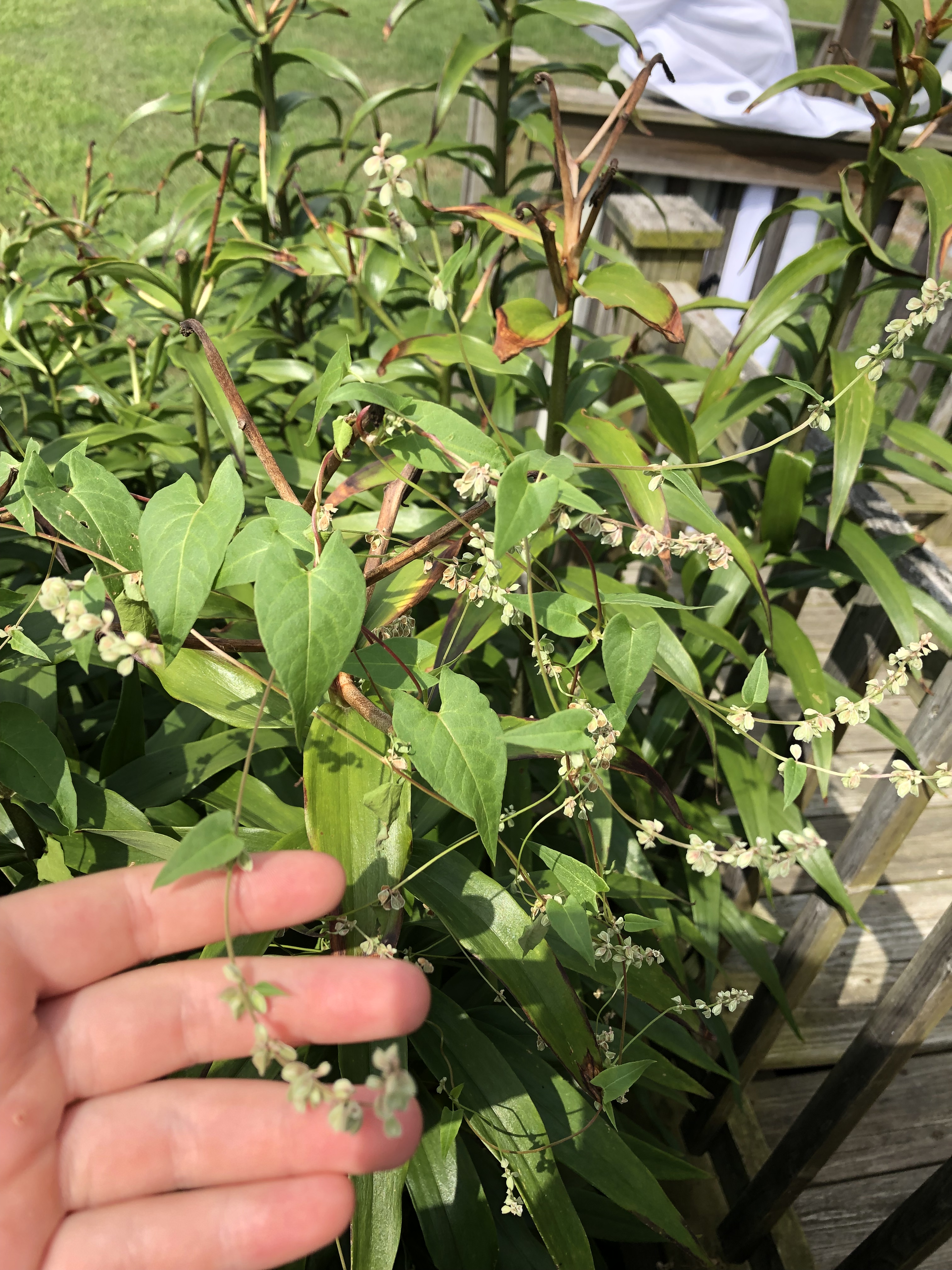
ATP or Adenosine Triphosphate carries energy within cells. It gives the cell energy when needed and also stores energy. ATP can be found in plants and animals. It can be found in mitochondria. This lily plant represents ATP because inside of the cells of the plant is mitochondria.
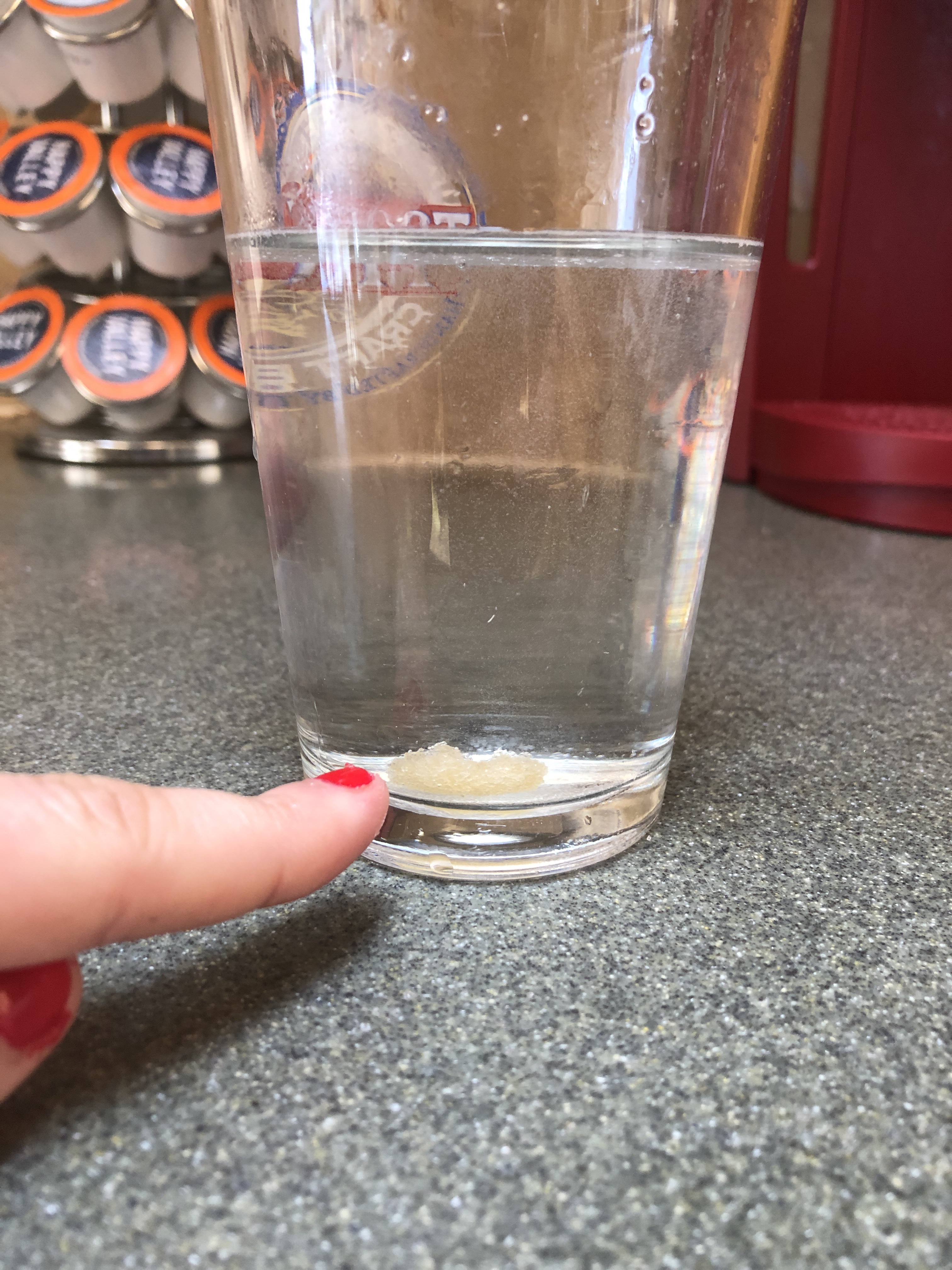
Hydrophobic is the failing to mix with water. Oils and lipids tend not to mix with water well. This is a glass of water with canola oil. The canola oil just sits on the top as oil is hydrophobic
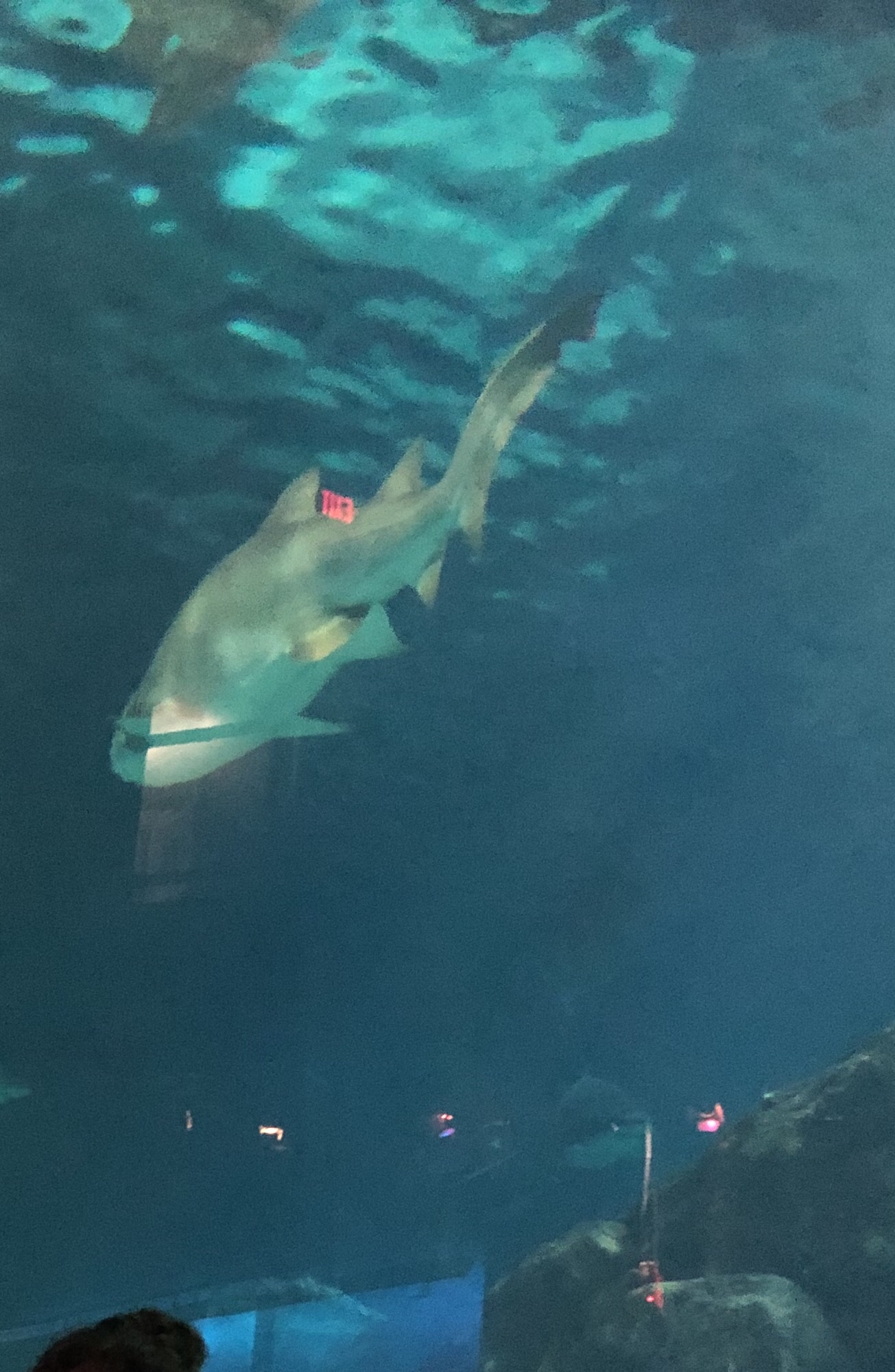
A chordate is an animal that can be found in the phylum chordata. A shark is a type of chordate. Reason being, it has a spinal chord notochord, and a backbone. (My hair is in the bottom left corner)
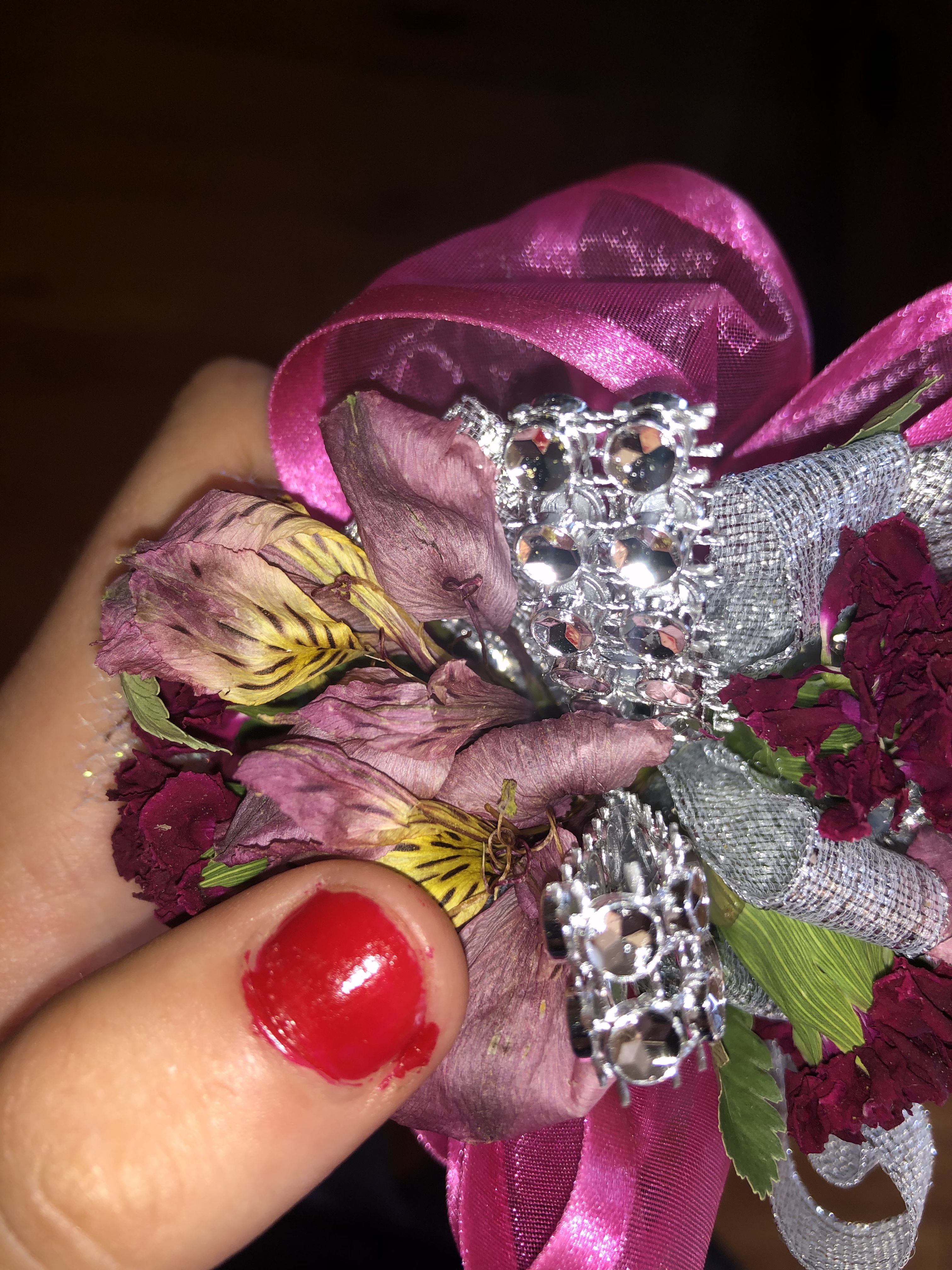
A stamen is the male reproductive part of a plant. The stamen is made up of the anther and filament. This lily (from my prom corsage) still has the stamen on it. By my thumb you can see the stamen, anther, and filament
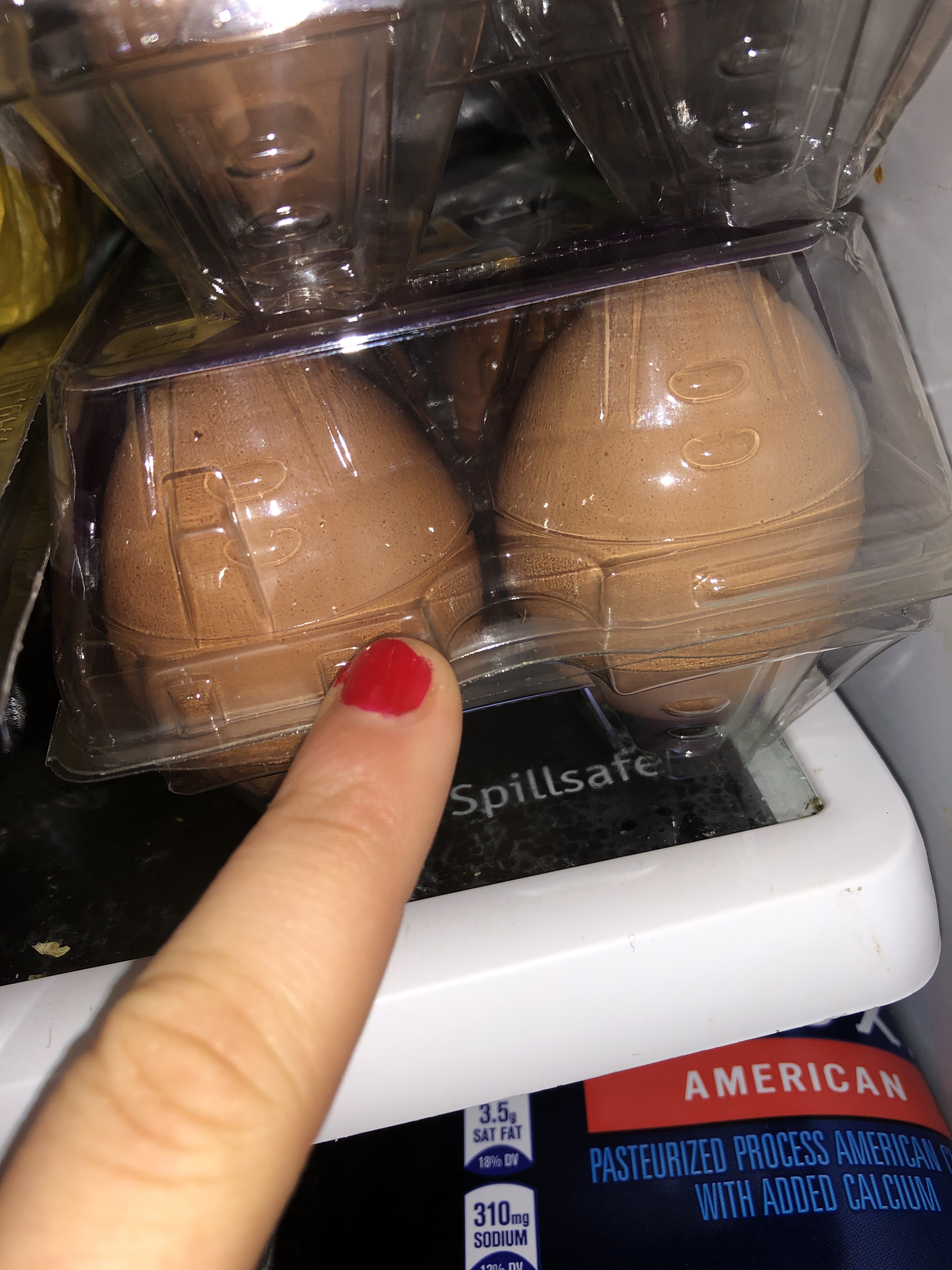
An amniotic egg is an egg produced in which an embryo develops. These eggs are amniotic eggs, they’re laid by chickens. These eggs, if they were fertilized and left with the mother hen would be true amniotic eggs.
Vestigial structures are parts of an organism that are no longer used. My wrist tendon represents a vestigial structure. As humans we don’t need these structures. Our ancestors might have once needed them but we now do not.

 biology